

If you have a sick or injured animal, don’t delay — call the hospital at 5756 2444. Our vets are on call to advise & assist in an emergency situation.
ANIMAL EMERGENCIES — Dr. Bek's top 10 FAQ
Not every sign of unusual symptoms will require emergency treatment but if you are in any way concerned you should always call our hospital emergency number for advice (5756 2444), or your local vet if you live outside our service area.
If you are uncertain what's wrong we have some articles that offer advice on how to recognise symptoms needing urgent treatment. Any of the specific symptoms detailed in these articles require immediate veterinary attention: for dogs, for cats and for horses.
You can also check out the full range of articles related to animal health emergencies, treatment and first aid below.
First, stay calm. A quiet, measured approach will help both you and your pet. Be ready to clearly explain the symptoms/events to the on-call veterinarian.
Call the hospital. Even after hours, use our normal number — (03) 5756 2444) — and follow the message prompts to speak to the on-call vet, who will evaluate the nature of the emergency and give you instructions on what to do next.
Don’t delay. Unless your pet has been in an accident or a fight it may not always be obvious if they need emergency treatment, but even in cases where symptoms appear to be not immediately severe, if you are unsure call earlier rather than later. This is particularly important in cases that might involve poisons or venomous bites.
Don’t self-diagnose. Every emergency is scary, but not every unusual symptom is life threatening. In some cases you may, with veterinary advice, be able to administer basic first aid or simple treatments at home (see the articles below). But unless you are certain you know what the problem is you should never attempt to diagnose or treat it yourself. Call the hospital. If the problem can be treated at home or will wait until morning the on-call vet will tell you, and provide advice on interim treatment.
We understand that in an emergency the natural urge is to put your pet in the car and head straight for our hospital but in most cases it is always best to telephone first, or to call while on your way.
During normal hospital hours calling ahead gives us a chance to quickly evaluate the problem and to advise you of the best way to proceed. Vets may also be involved in surgery or other procedures that cannot be interrupted. Calling ahead ensures that the vet knows you are on your way and allows us to minimise any delay before your pet can be seen.
In after hours cases vets and nurses may be out on other emergency calls. A phone call ensures that you will be aware of any delay and, if necessary, we can direct you to alternative emergency care facilities.
After-hours, that initial phone call can also gain precious extra time for us to open the hospital and start preparations. This can be vital because some of the machines we use need an activation and calibration period prior to use. A quick call means that by the time you arrive we can be waiting for you with everything ready to go to provide immediate, appropriate treatment.
Even a few minutes can sometimes be critical to saving a sick or injured animal. In any emergency, please call the hospital number and listen carefully to the whole message, then follow the prompts. It could save your pet’s life.
Alpine Animal Doctors is not a 24-hour emergency referral hospital. Our hospital/clinic is open only during normal business hours. However, a vet is on call 24/7 for emergencies, including weekends and public holidays. Please note that while we make every effort to ensure an uninterrupted service, we cannot absolutely guarantee that a vet will always be available.
Our after-hours service is primarily intended for existing clients of Alpine Animal Doctors, however, provided that you can get your pet to the hospital, or you live in our call-out service area, we will never refuse to treat an animal where a clear emergency situation exists, e.g., road accidents, injuries, poisoning, snake bite or other life threatening issues.
In some cases, usually where the emergency is related to complex conditions currently being treated/managed by another nearby veterinary clinic and we do not have access to your pet's clinical history, we may have little option but to refer you back to your usual local vet.
These are not hard and fast rules. Our first priority is always to the health and wellbeing of the animal and we will do everything possible to assist in any genuine emergency.
Yes, from our base in Porepunkah Alpine Animal Doctors offers emergency after-hours treatment at your home or farm, where appropriate. Our home callout service is only available in an area bounded by Mudgegonga to the north, Myrtleford and Nug Nug to the west/north west and Harrietville to the south.
Outside of this area we can only treat animals at the hospital. If you are located outside of our home visit area and cannot bring your pet to us please call your nearest emergency vet.
Please be aware that house-calls may not always be available and attract additional fees.
In some cases, yes. If your pet requires emergency hospital treatment during normal clinic hours no additional charges apply. Costs will be the same as any standard appointment. Please note however that emergencies can often require invasive or urgent intervention treatments which can, in some cases, be expensive, for example snake bite antivenin.
For emergency hospital treatment at night, weekends or on public holidays you will pay no more for medications/drugs or services such as X-rays than you would during normal hours. However, after hours hospital treatment does attract higher fees for the time of the attending vet and nurse(s). This is similar to any after hours callout service.
Home visit treatment will also attract further fees for travel etc.
We really cannot recommend it. Treatment at home in an emergency is never a substitute for expert veterinary care. However, in some situations you may have no alternative but to try to help a sick or injured animal and, properly carried out, emergency animal first aid may save your pet's life.
Before attempting to help your pet you should always first try to obtain veterinary advice. If this is impossible please read the first aid articles linked below.
No! This is almost always a very bad idea. While you may be tempted to try to provide some relief for your pet by using over-the-counter painkillers you might have at home, the reality is you may be killing your pet. Paracetamol (Panadol etc) is particularly toxic to cats and dogs. If it doesn’t kill them immediately, the toxic substances can be stored and accumulated in internal organs. Please see this article for further information.
It is always best to contact the hospital for advice. Our emergency hotline is available 24 hours a day and we would prefer that you woke us up to ask for advice rather than self medicate your pet.
Snake bite is always a serious and life threatening incident that must be treated swiftly to save the life of a pet. If you are sure the animal has been bitten you should get someone to call the hospital (5756 2444) while you…
Keep the animal calm and as still as possible to minimise venom absorption.
Most snake bite wounds are not visible but if a limb has been bitten, bandage the entire leg firmly to limit venom movement through the lymphatics. Do not use a tourniquet to cut off circulation.
If your pet has stopped breathing, attempt mouth to nose resuscitation, and, if possible, continue this during transport of your pet to the hospital.
See this article for more information on recognising symptoms, but if you know it’s a snake bite, do not waste time reading articles — get your pet to a vet!
Like snake bite, in all cases of poisoning there is potential for serious ongoing health issues. Swift treatment is vital. Any known or suspected case of poisoning needs immediate veterinary treatment. Your first priority should be to call the hospital for emergency advice and to get your pet to us — or your nearest vet — as quickly as possible.
On this page you will also find a range of articles detailing symptoms, effects & treatment and first aid for poison cases.
COPING WITH PETS IN CRISIS — advice for owners
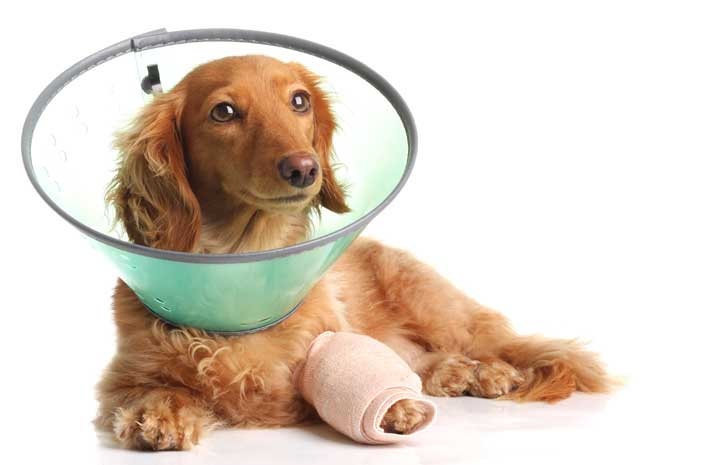
If your cat is showing any of the symptoms listed here you should seek immediate veterinary advice. You should not attempt to treat a cat showing these potentially serious symptoms yourself — contact a vet.
- Wounds & Injuries
- Loss Of Consciousness
- Breathing Difficulties
- Discoloured Gums
- Severe Pain
- Persistent Vomiting
- Salivation & Drooling
- Diarrhoea
Open wounds and trauma
The most obvious symptoms that require visits to the animal hospital are open wounds, serious burns, and broken bones. If your cat has been hit by a car or in a fight with another animal, or been involved in any other kind of accident or trauma, unless the wounds are clearly minor you should seek emergency veterinary treatment as quickly as possible.
For minor wounds you may be able to provide some basic first aid yourself.
When your cat is non-responsive
If your cat does not respond to being touched something is wrong. Non-responsive behaviour is often the first obvious sign of loss of consciousness. It may be because of a foreign object, or a bone, stuck in the airway and impeding breathing, or the result of ingesting something toxic. Other signs of a change in consciousness are stumbling or staggering, confused behaviour and/or listlessness.
Gasping for breath
If your cat is struggling to breathe, gasping for air or his breathing becomes laboured it’s a sign of possible obstructions in the airway or of fluid in the lungs, and can lead to respiratory failure or cardiac arrest. Call the hospital immediately.
If your cat’s gums change colour
If your cat’s gums become white, pale, or have a blue or yellow tinge it’s a sign of serious health issues. Whitish or pale gums may suggest serious iron deficiency. Blue-tinged gums can indicate respiratory or cardiac problems. Yellow gums point to a severe liver disorder, or issues with the red blood cells. Any change from the normal colour of your cat’s gums is a sign she needs emergency treatment.
Screeching or hiding indicates distress
If your cat begins to make a lot of unusual and incessant noise, particularly loud yowling, he is probably in acute pain or severe distress. Loud complaints may also be accompanied by a tendency to hide. This kind of unusual behaviour can indicate a life threatening bladder obstruction, amongst other things. if a cat sounds like he is in pain or distress, he probably is. Treat unusual levels of noise as an emergency.
Continual vomiting is not normal
Cats vomit occasionally. It’s normal, for the most part. However, continual vomiting on a daily basis, even when you know the cat’s stomach is empty, indicates illness and can be a sign of serious intestinal obstruction or of ingestion of poison. If your cat is unable to keep even water down something is wrong, and he is at serious risk of rapid dehydration.
May be signs of poisoning
Excessive drooling is not normal and can indicate anything from ingesting things like household cleansers or eating poisonous plants to a burn on the mouth or tongue. It can also be a sign of systemic illness or a mouth tumour, which may not be visible.
Persistent diarrhoea can be serious
Diarrhoea is not necessarily an emergency but diarrhoea that continues for more than a few hours or at most a day or so, especially in kittens, can be a sign of a serious underlying condition, or poison ingestion. Constant diarrhoea can cause rapid physical deterioration and dehydration.
All of the symptoms shown below indicate that your dog could be facing a life threatening situation and may require urgent veterinary treatment
- Wounds & Injuries
- Loss Of Consciousness
- Seizures
- Breathing Difficulties
- Discoloured Gums
- Lethargy
- Severe Pain
- Bloating
- Poisoning
- Snake Bite
Coping with wounds and injuries
The most obvious symptoms that require visits to the hospital are open wounds, serious burns, and broken bones. If your pet has been hit by a car, tangled with some barbed wire, been in a fight with another animal, or been involved in any other kind of accident or trauma, unless the wounds are clearly minor you should seek emergency veterinary treatment as quickly as possible, especially if you are unable to stem any bleeding.
If this is impossible you may wish to attempt some first aid at home. However, this is no substitute for expert veterinary care and should be a last resort. Always seek veterinary advice before attempting anything other than first aid for minor wounds.
Recognising changes in consciousness
Any alteration in consciousness can be a sign of acute illness. Signs can include coma, convulsions, sudden withdrawal, tremors or staggering, sudden onset of blindness or a general lack of responsiveness. Other signs can be biting at imaginary objects or constantly tilting the head.
Any of these symptoms can indicate serious problems requiring prompt treatment. You should not delay in consulting a veterinarian.
Seizures can be serious
A seizure is fairly easy to identify. The animal’s body will shake or tremble for several seconds and you may see the whites of the eyes. The dog will then remain unresponsive for up to a minute.
While a seizure does not always indicate a critical emergency, if you are seeing your dog affected for the first time you should assume it may be a sign of a serious condition. Err on the side of caution and seek immediate veterinary attention or advice.
Changes in breathing
If your dog is gasping for breath or his breathing is laboured, respiration is noisy and/or the tongue has swollen or turned blue it can be a sign of acute illness.
Heavy or laboured breathing can indicate heart problems, overheating or a respiratory problem. It may also just be a sign of localised stress or complications from obesity, in which case a normal appointment at the hospital will be fine.
You need to make a judgement but always err on the side of caution — if in doubt, call the hospital.
When your dog’s gums change colour
If your dog’s gums have become white, blue or otherwise paler than normal this can be one of the first indicators of serious illness. Discoloured gums are signs of:
- Shock
- Low blood pressure
- Poor circulation
- Anaemia
- Internal bleeding
Any of the above can be signs of serious issues. Seek veterinary help.
When Rover loses his zest
If your dog becomes unusually lethargic, take its body temperature. Between 37 and 38 degrees celsius is normal for dogs. Anything outside of this range indicates you should seek immediate veterinary attention.
When your dog is in pain
Dogs tend to be stoic about pain but if your dog is crying out loudly and continually it is a sign the animal is in severe pain. If there is no obvious external cause such as a wound, dislocation or broken bone the pain may be due to internal injures that require immediate treatment.
Warning: Please do not attempt to treat pain in your pet (dog or cat) with human painkillers such as Paracetomol, Ibuprofen etc, etc. These can prove fatal for animals.
Bloating can be fatal
An abnormally distended abdomen is an acutely serious issue. If your dog appears to have abdominal pain and winces or whimpers when you touch the abdomen but is not vomiting it may indicate potential poisoning or an acute kidney problem.
Worse case is it’s indicative of bloat (Gastric Dilation) a very serious condition which, without prompt treatment, can lead to death within a few hours. If your dog is in pain, pacing and restless and displaying non-productive retching or vomiting, and excessive salivation get to our hospital, or your closest emergency vet, as quickly as possible.
Recognising poisoning symptoms
If you believe that your dog has ingested toxins such as pesticides, cleaning products, chocolate, onions, alcohol or human medicines, call the hospital emergency vet without delay.
Poisoning cases are almost always critical and will definitely require veterinary intervention. For more information check out the article links below…
Dangers of Panadol for Dogs,
Poisons: Recognising Symptoms,
Poisoning: Top 10 Causes in Pets,
Poisons: Health Effects & Treatment,
Poisons: Emergency First Aid.
Snake bites need swift action
Envenomation from the toxins contained in snake venom is a serious and life threatening incident that must be treated swiftly if we are to save the life of a pet that has been bitten.
The first signs of snake envenomation are usually excitement, trembling, salivation and vomiting, gradually developing into weakness, wobbly gait and eventually paralysis. Afflicted dogs often have dilated pupils and slow light reflex, with clotting problems in their blood. Depending on the type of snake and how much venom has been injected, an animal bitten by a snake may show any of the following symptoms.
- Localised swelling and irritation
- Vomiting
- Drooling and trembling
- Dilated pupils
- Involuntary bladder or bowel release
- Red or brown discolouration of urine
- Rapid breathing and/or panting
- Bleeding from bite wounds or bloody diarrhoea
- Collapse. (An animal may collapse immediately but then apparently recover, then develop symptoms over the course of the next hour)
- Paralysis (starting with the hind legs and progressing towards the head)
Speed is of the essence in successfully treating a snake-bitten pet. Get the animal to a properly equipped vet clinic as quickly as you can.
Despite their size horses can fall prey to a wide range of problems needing prompt veterinary attention.
Use the information below to learn when you need to call an emergency vet to your horse.
Is it serious enough to call the vet?
Deciding what constitutes an emergency and when the vet needs to be called in can be a difficult decision for the horse owner. Despite their size and power horses can be fairly delicate. They can often pull up lame, suffer cuts and bruises and experience mild fever and reduced appetite. In a large percentage of cases these are not true emergencies, but they are always an anxious time for the horse owner.
Observation and a good knowledge of the vital signs of your horse is the best way in which you can learn to accurately judge when urgent veterinary treatment is needed and when you can safely treat the horse yourself, or it’s safe to wait and see if and how a condition progresses.
Use the time you spend grooming and feeding your horse to carefully observe his normal behaviour and vital signs so that you are immediately aware of any changes that might occur later. Learn the points at which you can measure the pulse and respiration of your horse.
Changes in temperature, pulse and respiration are always the first pointer to illness, abnormality or injury. Knowing what’s normal in your horse is critical to your ability to judge the relative seriousness of any condition that may arise and every horse owner should have a couple of simple tools to help them monitor vital signs — an accurate rectal thermometer and a stethoscope.
- Normal temperature should fall into a range between 37 and 38.3 degrees celsius.
- Normal pulse/heart rate should be 32-48 beats per minute. This can be affected by a number of factors including age, ambient temperature, humidity, recent exercise and excitement. Spend a little time establishing a record of a baseline for your horse by taking pulse rates at various times, e.g., before and after exercise. The heart/pulse rate can be checked by placing a stethoscope over his ribs, just behind the elbow. Or if you don’t have a stethoscope, take his pulse on the inside of the jaw or on the ankle.
- Normal respiratory rate in the horse should fall within a range of 12 to 16 breaths per minute, although, again, this can vary due to humidity, exercise and excitement and other external factors. Watch the animal’s nostrils or flanks and carefully count the number of times the horse breathes out.
Equine emergencies are always a difficult and anxious time for the owner. But remember, it’s always harder for the animal, who may be in pain or severe distress. Act promptly to get advice and treatment.
Information we need to judge the extent of an injury
If you are in any way uncertain of the cause and severity of the symptoms your horse is showing, always err on the side of caution and call the hospital for advice. An experienced vet will be able to ascertain if it’s an emergency and advise you of the best way to proceed.
When calling for advice you can help the vet by having the following information ready:
- Temperature, pulse/heart rate, and respiratory rate.
- Your horse’s behaviour and demeanour; is he agitated, lethargic, depressed.
- The location and severity of any injury, wound, or lameness.
- The location of any swelling and if there is any heat present.
To avoid possibly unnecessary home visit costs for the owner, at Alpine Animal Doctors we triage all horse wounds, injuries and illnesses into three categories: Critical, Urgent, and Minor. A critical emergency requires immediate attention. Those classified as urgent still need prompt attention but may be able to be left until the following day on advice from the vet. Minor emergencies can often safely be observed and watched.
Issues requiring immediate veterinary treatment
The following details some of the situations we class as Critical Emergencies. If your horse shows any of these symptoms you should contact the hospital immediately, no matter what the time.
- Profuse bleeding from any injury or wound which cannot be stopped, especially if the blood is bright red, which can indicate arterial bleeding.
Injury to any vital structure (eyes, genitals, joints, etc) or wounds obviously requiring stitches. - Bone fractures or severe lameness on which your horse cannot bear his weight.
- Abnormal respiration, including rapid, distressed breathing or blocked airways.
- Signs of severe colic, including loss of appetite and reduced fecal production.
- Staggering, lack of coordination, or marked behaviour change.
Any injury or trauma to the eye, particularly where the horse is unwilling to open his eyelids. - Abnormal vital signs, including; temperature over 38.9°C; pulse above 80 beats per minute; elevated respiration while at rest.
- Acute laminitis, seizures, heat stroke, or watery diarrhea.
- Any mare who takes longer than 30 minutes to deliver her foal.
- Suspected or known ingestion of a poison or toxin.
- Puncture wounds.
Non-critical issues needing veterinary treatment
For the Urgent category of emergencies you should still contact the hospital the same day or no later than first thing the following morning. These situations do need prompt veterinary attention but can usually be safely managed with first aid measures until the vet can get there during normal hours.
- Sudden onset of lameness on which your horse can bear his weight.
- Superficial trauma or injury located away from the eyes, genitals, joints, e.g., relatively minor wounds and scrapes that don’t need stitches.
- Attacks of chronic laminitis or chronic inflammatory respiratory disease when the horse has already been diagnosed and is being regularly treated/managed for these conditions.
- Slightly elevated temperature, respiration, or heart rate.
Wait and watch
Minor category emergencies such as slight lameness, skin rashes, light discharge from the eye but without pain or vision loss, slightly reduced appetite or slight difficulty chewing when the horse is otherwise healthy, or a minor nasal discharge without any fever or heavy breathing can generally be left until you can schedule a normal appointment. Again, if in doubt, call the hospital.
First Aid
First aid for treating minor wounds in cats at home.
If you cannot stem a bleeding wound, or can see bone or soft tissue or suspect a broken bone or internal injuries, seek immediate veterinary advice.
- Evaluate The Injury
- Stop The Bleeding
- Clean, Disinfect & Cover
- Beware Of Infection
- Puncture Wounds
- Torn Claws
Is it serious enough to see the vet?
Cats can suffer a variety of wounds, the result of accidents, fights with other cats or from dog attacks. If your feline furrball is involved in an incident that leaves her with visible wounds — cuts, puncture wounds, lacerations, torn ears or tail damage — you will need to judge the severity of the wounds and decide if they are serious enough to need treatment by a vet or if they can be initially treated at home.
In all but the most minor of cases it is usually best that your cat sees the vet. With any wound there is always a real risk of infection and many apparently minor wounds may also require a few stitches to aid recovery.
In more serious cases, particularly where you are unable to stem the bleeding, and/or a wound is deep, or where you suspect there is any possibility of a broken bone or internal injuries you should call the hospital immediately for emergency advice.
Superficial wounds and minor injuries — grazes, shallow cuts, minor injuries to the pads of the feet — can generally be safely treated at home, but you might want to bring the cat in the next day for a check.
Warning. Always approach an injured cat with care. When in pain and confused, even normally gentle and docile felines can become aggressive. Crouch or kneel to put yourself on the same level as the cat and approach her slowly and calmly. Do not make direct eye contact and talk to her in a calm, reassuring voice.
You will probably need to restrain the cat to be able to treat the wound. Use a clean towel or blanket to wrap the body so that the paws — and those claws — are covered.
Evaluate the extent of blood loss before treating wounds
If your cat has been scratched bitten, or clawed, or has otherwise torn skin and tissue you first need to stop the bleeding. Apply sterile cold compresses to the wound, several if necessary. Press firmly on the wound and check the rate of bleeding every few minutes. Venous bleeding from minor wounds should stop fairly quickly.
Note: If you cannot stop the bleeding, or the blood is bright red and spurting from the wound it can indicate arterial bleeding. This is always serious. You should call the hospital immediately.
Clean and cover the wound
Once the bleeding has stopped you can clean and disinfect the injured area. If you are dealing with a surface wound, a severe graze for example, that has visible pieces of grit or other foreign material adhering to the skin, flush them away with clean cold water and gently clean the wound with an antibacterial soap to remove blood, dirt and debris. You may also need to cut the hair in and around the wound area. Pat the area dry before covering.
If the wound is deep and you can see foreign objects embedded in the cut these need to be removed at the hospital. Don’t attempt to remove anything deeply embedded in a wound yourself.
Apply some anti-bacterial cream and cover the wound with some sterile gauze (bandage). Wounds will actually heal faster without being covered but initially it is usually better to cover the injury because the cat will want to lick at it and its own saliva can cause infection. Alternatively you can make up a temporary Elizabethan collar from cardboard or plastic, which will prevent the cat from reaching the wound.
Monitor the wound
Even minor wounds can quickly become infected.You will need to see the vet to have the wounds disinfected and to obtain a course of antibiotics. Alternatively you need to change dressing daily and re-apply anti-bacterial cream.
Monitor the wound for any signs of fever, redness or swelling and call the hospital if you notice any of these signs of infection. Those symptoms mean your cat will need an injection or more powerful oral antibiotics to combat the problem.
More serious than they look
Beware of this type of wound, caused by deep bites or the penetration of a sharp foreign object. Puncture wounds can be deceptive, usually closing up and appearing to heal quickly with minimal bleeding. In many cases, however, infection will set in beneath the surface, requiring opening up and draining. Puncture wounds should always be checked at the hospital.
Torn claws should be treated by a vet
This is a common injury for cats and can be very painful, although rarely life-threatening. Limping and blood on a paw that the cat is constantly licking may be the first sign of a torn claw. This kind of injury is best treated at the hospital.
First aid treatment for minor cuts and grazes. If you cannot stem a bleeding wound, or can see bone or soft tissue or suspect a broken bone or internal injuries, seek immediate veterinary advice.
Is it serious enough to see the vet?
If your pet is involved in a fight or in a minor accident that results in visible wounds — cuts, puncture wounds, lacerations or torn ears etc. — you will need to judge if the wounds are serious enough to need treatment by a vet or if they can be initially treated at home.
In all but the most minor of cases it is usually best that your dog sees the vet, if only for a quick check up the following day. With any wound there is always a real risk of infection and many seemingly minor wounds will also often require a few stitches to ensure a swifter recovery.
In cases where you are unable to stem the bleeding, and/or a wound is deep enough for you to see bone or soft tissue, or where you suspect there is any possibility of a broken bone or internal injuries, you should call the hospital for advice.
Warning. Always approach an injured animal with care. When in pain or shocked, even the most gentle of family pets can be unpredictable. Crouch or kneel to put yourself on the same level as the dog and approach him slowly and calmly. Do not make direct eye contact and talk to the dog in a calm, soothing voice.
Evaluate the extent of blood loss before treating wounds
If your pet has been scratched bitten, or clawed, or has otherwise torn skin and tissue, you first need to stop the bleeding. Apply sterile cold compresses to the wound, several if necessary. Press firmly on the wound and check the rate of bleeding every few minutes. Bleeding from minor wounds should stop fairly quickly.
If bleeding is severe and on the legs, apply a tourniquet (using an elastic band or gauze) between the wound and the body, and apply a bandage and pressure over the wound. Loosen the tourniquet for 20-30 seconds every 15 minutes.
Note: If you cannot stop the bleeding, or the blood is bright red and spurting from the wound it can indicate arterial bleeding. This is always serious. You should call the hospital immediately.
Next, see ‘Clean, Disinfect & Cover’
Clean and cover the wound
Once the bleeding has stopped you can clean and disinfect the injured area. If you are dealing with a surface wound, a severe graze for example, that has visible pieces of grit or other foreign material adhering to the skin, flush them away with clean cold water and gently clean the wound with an antibacterial soap to remove blood, dirt and debris. You may also need to cut the hair in and around the wound area. Pat the area dry before covering.
If the wound is deep and you can see foreign objects embedded in the cut these need to be removed at the hospital. Don’t attempt to remove anything deeply embedded in a wound yourself.
Apply some anti-bacterial cream and cover the wound with some sterile gauze (bandage). Wounds will actually heal faster without being covered but initially it is usually better to cover the injury because the dog will want to lick at it and its own saliva can cause infection. Alternatively you can make up a temporary Elizabethan collar from cardboard or plastic, which will prevent the dog from reaching the wound.
The biggest problem with even minor wounds is the possibility of infection. Most dogs do not have a particularly ‘clean’ lifestyle and the possibility of a wound becoming infected is high. Infections can lead to serious problems. To avoid them you need to change the dressing and re-apply anti-bacterial cream a couple of times a day. While you can use anti-bacterial creams meant for human use as a temporary measure they’re not as effective for dogs as the animal antibiotic medications/drugs we would prescribe.
Minor wounds can be treated at home
Minor injuries — grazes, shallow cuts, minor injuries to the pads of the feet — can generally be safely treated at home but you might want to bring the dog in the next day for a check.
Clean and disinfect the wound, apply some anti-bacterial cream and cover with a soft, sterile bandage. Check the injury regularly for signs of infection and consult the vet if you see signs of redness or swelling.
More serious than they look
Beware of this type of wound, caused by deep bites or the penetration of a sharp foreign object such as a stick, a piece of fence wire or other items. Puncture wounds can be deceptive, usually closing up and appearing to heal quickly with minimal bleeding. In many cases, however, infection will set in beneath the surface, requiring opening up and draining. Puncture wounds should always be checked at the hospital.
All horse owners need to be able to treat minor injuries. If you cannot stem a bleeding wound, or suspect arterial bleeding, seek immediate veterinary advice.
- Injury Prone
- Bleeding
- Assessing The Wound
- Deep Cut Wounds
- Full Skin Wounds
- Cleansing A Wound
- Puncture Wounds
- Deeper Injuries
- Bruising
Horses are more delicate than they look
Whether it’s a knock going over a jump, a nasty cut from tangling with barbed wire fences, or a kick from another horse, open wounds and bruising are something most horse owners will face at one time or another.
Unlike a dog or cat, you can’t bring your injured horse to the hospital. And if you are located a long way from our hospital it may be some time before we can get a vet to your property. These factors mean that horse owners need to be able to recognise the degree of severity of an injury and be able to apply common sense first aid to minimise damage and prevent infection.
For minor injuries first aid may be all you need. In most cases, however, it should be a temporary measure until the vet arrives. For any injury to a horse we suggest that you always call the hospital for advice on how to proceed.
Warning: When facing an injured horse, do not approach the animal unless you can do so safely. The horse will be in pain and confused, which can make him dangerous. It doesn’t help the horse, or you, if you end up in hospital with a fractured skull from a flying hoof. Stay calm. If you are panicked your excitement will be picked up by the horse and may make things worse. Step back and assess the situation carefully. Ask yourself: what do I need to do make it safe for me to help my horse?
Try to move the injured animal to a familiar, quiet place. Being somewhere he knows will help calm him down.
Is it arterial or venous?
Profuse bleeding can be very distressing but it can often look worse than it is. The average 500 kilogram horse has more than 26 litres of blood pulsing through his system so he can afford to lose a couple of litres without serious effects. Your job is to first assess the severity of the bleeding, and then to slow it down.
Arterial bleeding — where the blood is bright red and spurting from the wound — is much more serious, and much harder to control, than venous bleeding, where blood tends to seep and run. If you suspect arterial bleeding you need to seek immediate veterinary assistance.
To slow the rate of venous bleeding you can apply a clean cloth, folded several times to make a thick pad, over the source of the blood. You must apply firm, continuous pressure until the bleeding slows or stops. With a deep laceration or cut this can take some time so you are usually better to use a bandage or tape to hold the pad firmly in place. If the wound is located in a part of the body where you can’t tape a pad in place you’ll need to hold the bandage firmly in place until the bleeding stops.
Too much padding or too loose a pad will not allow you to apply adequate pressure. A thick towel wrapped around a cut on the leg will not help; you need to improvise a pad that can be held firmly in place. But not so tightly that it may impair circulation where the injury is on a leg. If you think the bandage or tape holding the pad is very tight around the leg, loosen it off and change it every 10 minutes to allow circulation to the rest of the leg.
What kind of cut are you dealing with?
You must first decide if what you are dealing with is a ‘deep cut‘ or a ‘full skin thickness cut.’ Each needs different treatment.
A skin laceration/cut may be quite deep without fully penetrating the skin to the tissue below. Deeper layers of the skin can be white to pink, and look very similar to tissue, so it can be difficult to decide if you are facing a full skin thickness cut or not. One simple way is to remember that, with a cut that does not penetrate the skin all the way to the tissue beneath you will not be able to pull the edges of the wound apart.
Depending on the site of the injury, a ‘deep cut’ wound might be as shallow as 3 mm or as deep as 7 mm where the skin is thickest, but even the deepest of these wounds do not normally require stitches and antibiotics, a good spray with Centrigen to deter flies will usually be sufficient. A full skin thickness laceration does require stitches.
Stitches not needed
For a laceration which does not fully penetrate the skin, clean gently and thoroughly with soap and water and apply Centrigen — which deters flies and has anti-bacterial agents — twice a day. Non-prescription anti-bacterial products do not last long. The hospital can prescribe a more long lasting medication.
If the wound is on a lower leg or any area which will get dirty or muddy apply a clean bandage.
‘Deep cut’ wounds do not require sutures but they should be carefully monitored to be sure the wound is healing properly without infection.
When soft tissue is exposed
Wounds which do fully penetrate the skin, exposing underlying soft tissue, need more involved treatment and usually require a vet. The wound may need sutures, although this will depend on a number of factors. As long as it is being monitored and cared for properly, a contaminated or badly traumatised wound may heal more quickly if left open. A sutured wound is unable to drain, which may lead to ascending infection.
Always clean and bandage a wound
Wounds should be flushed out with clean water to remove any dirt. A garden hose with a spray nozzle is ideal, as long as it’s drawn from a clean supply, i.e., not from the creek. The wound should then be bandaged.
If the wound is likely to need stitches, do not apply any medications or creams until a vet can examine the injury. Some products can interfere with the medications we may need to use to treat your horse, and prevent us using the most appropriate treatment. If veterinary help is more than a couple of hours away, consult the hospital for advice on what might be best to dress the wound with.
High risk of infection
Beware of puncture wounds, usually caused by penetrating sharp objects such as wire. They will often look like a minor injury while, under the surface, infection is raging. They can quickly become infected, with the first signs of problems — usually pain and swelling — only showing up 24 to 72 hours after an accident. A puncture wound seals rapidly, leaving the infection nowhere to go but to spread to surrounding tissues. Always have a deep puncture wound examined by the vet, who will open the wound, check for foreign bodies and clean and drain the wound to avoid infection.
Injury to underlying structures
Any wound or laceration has the potential to have also affected deeper underlying structures, particularly full skin thickness lacerations. For example, a lower limb injury that has penetrated into a joint capsule or tendon sheath can mean what looks like a routine cut may actually be more serious, potentially affecting the performance of the horse for life.
Any deep wound to areas around joints and tendons should always be examined by a veterinarian.
Reduce the swelling
If your horse suffers a kick or a hard blow that does not break the skin the area around the injury will be swollen and hot. Hose the area and apply an ice compress for a minimum of 30 minutes. Ask the hospital for advice on medications to limit swelling and pain.
One area where bruising is particularly serious is to the back of the thigh. The large muscle masses found there are prone to forming scars from deep bruises, which can affect the gait of the horse for life. Special veterinary care to quickly reduce the inflammation will be needed in these cases, together with controlled exercise during the following 60 to 90 days.
How you can help your pet in a crisis, and safely transport a sick or injured animal to the vet.
Transporting pets with broken bones
If you know you are dealing with a fracture/broken bone, gently lay your pet on a flat surface such as a board for support and to use as a stretcher during transport (or use a throw rug or blanket as a sling).
Making sure you don’t put pressure on either the injured area or the animal’s chest, try to secure your pet to the stretcher — wrapping a blanket around the animal and the stretcher will usually do the trick.
In cases where you are unable to stem the bleeding, and/or a wound is deep enough for you to see bone or soft tissue, or where you suspect there is any possibility of a broken bone or internal injuries, you should first call the hospital for advice.
There is little you can do at home in the way of first aid for a fracture but if it’s impossible for you to get your pet to a veterinarian promptly you could attempt to set the fracture with a homemade splint but this should always be a last resort unless you have previous experience. A badly-placed splint may cause more harm than good.
Coping with ‘fits’
Don’t attempt to restrain an animal suffering a seizure but do keep it away from anything that might hurt it — open fires, hot surfaces, pools, furniture etc.
Time the seizure — they can last from seconds to minutes, usually 2-3 minutes. Once it has stopped, keep your pet warm and quiet and contact the hospital. Do not assume a seizure is a ‘one-off’ event; these incidents almost always indicate wider problems that require investigation.
Internal bleeding requires veterinary attention!
If you see your pet is bleeding from the nose, mouth or rectum, there is blood in their urine, or they are coughing up blood, have pale gums and are weak with a rapid pulse, you should suspect internal bleeding.
In these cases there is nothing you can do at home. Keep the animal as warm and quiet as possible and get it to the hospital or the nearest veterinarian as quickly as you can.
First aid for chemical and other burns
For a chemical burn caused by caustic solutions, flush the burn immediately with copious quantities of water.
For burns caused by direct heat (flame, hot surfaces etc) immediately apply an ice water compress to the burned area. You can also use packets of frozen vegetables like peas.
Any burn can cause infection and should be promptly checked by a veterinarian.
When your pet goes into shock
Many conditions can cause an animal to go into shock but it usually follows a severe injury or extreme fright. Shock symptoms include a weak pulse, shallow breathing, nervousness and dazed eyes.
Keep the animal restrained, warm and quiet. If your pet is unconscious, keep the head level with the rest of the body, gently place the animal on a flat stretcher and get it to the hospital.
Helping a pet that’s choking
A choking animal will show symptoms including difficulty breathing, constant pawing at the mouth and choking sounds when breathing or coughing. The lips and/or tongue may also have a blue tinge. The most common cause of choking is food or a foreign object stuck in the windpipe.
Approach a choking pet carefully – panic can make it bite.
If the animal can still breathe, keep it calm and get it to the hospital.
Look into the pet’s mouth. If you can clearly see a foreign object, try to gently remove it with tweezers, but be very, very careful you do not push the object further down the throat. The potential for you to make matters worse by poking around in your pet’s mouth and throat is so great that we cannot recommend you attempt it. But, in situations where you are unable to quickly get the animal to the vet it may be the only thing you can do.
One alternative is to try holding the dog upright with its nose pointing to the ground and shaking the animal. It sounds a little drastic but it can work, and it’s less likely to cause problems than using tweezers.
Even if you can clearly see what’s causing the blockage, if the animal is still breathing don’t spend too much time trying to get it out it if it’s not easy to reach — get your pet to the hospital, where we have specialised equipment for these cases.
‘Mouth to mouth’ for pets
If your pet is unconscious and/or has stopped breathing you can attempt to resuscitate them. Try to have someone else call the hospital while you attempt this so we can talk you through the process. If there are enough friends or family available it can be helpful to carry out the procedures below while on your way to the hospital.
Always stay calm and act in a methodical way.
First, check to see if your pet actually is unconscious. Open your pet’s airway by gently grasping the tongue and pulling it forward out of the mouth until it is flat. If the tongue does not stay flat when pulled out of the mouth, i.e., it retracts back into the mouth, it indicates your pet is still conscious. You should always pull out the tongue (gently!) to secure an airway before transporting an unconscious pet to the vet.
Check the animal’s throat to see if there are any foreign objects blocking the airway (see the previous section on Choking).
Perform resuscitation breathing by holding your pet’s mouth closed with your hand and breathing with your mouth directly into its nose until you see the animal’s chest expand (your pet breathes through its nose, not its mouth). Once the chest expands, continue resuscitation breathing once every 4 or 5 seconds.
Unfortunately, if your pet is already unconscious and/or has no pulse, the chances of a successful first aid resuscitation are not high. In an emergency however it may give your pet its only chance. Whatever else you might try to help your pet, your first action should be to call the hospital for advice.
Poison & Toxins

Pet poisoning is all too common, and all too often fatal. If you think your pet may have ingested a toxic substance, seek immediate veterinary advice.
- Human Medications
- Insecticides
- Rat and Mice Baits
- Human Food Items
- Veterinary Medications
- Chocolate
- Household Products
- Plant Material
- Herbicides
- Outdoor Toxins
When medicines can kill
Almost 25 per cent of calls were related to human medications accidentally ingested by pets. The most common were over-the-counter medicines such as painkillers (Panadol, Ibuprofen etc.), and prescription antidepressants and ADHD medications. Keep all medications well out of the reach of curious pets. So-called ‘recreational’ drugs are particularly dangerous to pets.
Killer fly sprays
About 20 per cent of calls concerned insecticide poisonings, mostly from incorrect use of the products commonly used on pets for flea control, or careless use of household insecticides used to control crawling and flying insects. The most serious poisonings occurred when products not labelled for use in cats were applied to them. Always follow label directions.
Dangerous baits
Number three in the top ten were baits used to kill mice and rats. These are mostly grain-based, and flavoured to attract rodents, which also makes them attractive to dogs and cats.
Several different types of rodenticides can cause seizures, internal bleeding or kidney failure. Make sure these products are kept out of reach of curious pets, and baits are carefully placed only in areas that pets cannot access.
Their last meal?
Xylitol, grapes, raisins, onions and garlic are the most commonly toxic foods ingested by pets in the USA. Grapes and raisins can cause kidney failure in dogs, while onions and garlic can cause anaemia if sufficient is ingested. Xylitol, a sugar alcohol used to sweeten sugar-free gums and mints, can cause low blood sugar and liver failure in dogs. For more information see this fact sheet.
Like lollies to your pet
Although they’re not as dangerous to animals as medicines designed for people, overdosing can be a serious problem. Many medications made for pets are flavoured to make it easier for you to get your pet to take their medicine. Some are tasty enough that animals may ingest the entire bottle. Common chewable medications include arthritis and incontinence medications. You should contact the hospital if your pet ingests more than the correct dose of medication.
Sweet treats that can kill
Although it comes in at number six in the ASPCA findings, our own experience is that toxic reactions to chocolate in local pets are much more common.
Chocolate contains methylxanthines, which act as stimulants to our pets. Methylxanthines can cause agitation, vomiting, diarrhoea, high heart rate, muscle tremors, seizures and death. The darker the chocolate, the more methylxanthines it contains, with unsweetened cooking chocolate the worse. You can learn more about how chocolate, and other common food items, affects your pet, and how Alpine Animal Doctors treats poison cases in this article.
Pets will eat anything
Cleaning supplies, such as bleach, acids, alkalis and other detergents were surprisingly high on the list of common poison causes. These can cause corrosive injury to the mouth and stomach. Other household items such as batteries and liquid potpourri can cause similar problems. Always keep these toxins behind securely locked doors.
Dangers in the garden
Both house plants and outdoor plants can be ingested by pets, and many contain toxins in their leaves, stems or flowers. Lilies can cause life-threatening kidney failure in cats, while sago palms can cause liver failure in dogs and cats. Tomato stems and leaves are also toxic. Choose your house and garden plants carefully to avoid risk to pets.
Be careful when you spray
Many herbicides have a salty taste, and pets will commonly ingest them. Always follow label directions and keep pets away from treated plants/areas until they are dry (the product label should tell you how long this should be). Even eating grass recently treated with herbicides can cause toxic reactions in your pet.
Lock the shed!
Antifreeze, fertilisers and solvents are a few of many common substances that animals can find outdoors, and will often be curious enough to ingest. Keep these items in securely locked sheds/cupboards or on high shelves where pets cannot get to them.
Common foods, household products and human medications are some of the biggest killers of domestic pets. Emergency veterinary treatment is critical.
Know the symptoms of poisoning in your pet!
If your pet ingests or is otherwise affected by any toxic substance you should treat it as an emergency requiring urgent veterinary treatment. Call the hospital immediately for advice.
5756 2444
Please note that treatment at home is not a substitute for veterinary care in cases of poisoning.
Poisoning is one of the biggest killers of domestic pets
There are literally hundreds of products and substances harmful to domestic animals — dogs, cat and horses. They range from plant materials, indoor and outdoor, to seemingly harmless food items like onions and chocolate, to common household products such as snail baits, rat poisons and household cleansers. Ingestion of human medication, prescription and over the counter, is the single biggest cause of pet poisoning cases. Even products designed to help your pet — flea and tick powders and your pet’s own medication for example — can be toxic in some circumstances.
In all cases of poisoning there is potential for serious ongoing health issues. With many toxic substances the consequences are immediately severe, life threatening and, often, fatal. Even if we can pull a pet through the immediate danger there is a chance of permanent damage to various organs.
Successfully treating cases of poisoning requires prompt, appropriate hospital care. Time is of the essence and every pet carer needs to be familiar with the various symptoms that may indicate poisoning.
Dogs: Symptoms of poisoning
Dogs are the pets most often involved in incidences of poisoning. Dogs that have swallowed something toxic may display any of the following symptoms. Symptoms may arise within minutes of ingestion, or take an hour or two to appear.
- Drowsiness.
- Diarrhoea and vomiting.
- Changes in the colour of the gums and mucous membranes
- Excessive salivation.
- Laboured breathing and/or changes in normal respiration patterns.
- Hyper-sensitivity to light or noise, apparent hallucinations and disorientation.
- Ataxia, or staggering and wobbly gait.
- Muscle tremors or convulsions.
- Unusual odour on the breath or from the skin.
- Burns inside the mouth or on the tongue or lips, generally an indicator of eating caustic chemicals.
You may also see stings, bite marks, or small punctures. These, coupled with any of the symptoms above, may indicate a bite from a venomous snake or spider. These cases require different treatment (see Snake bite: Symptoms and Treatment).
Cats: Symptoms of poisoning
Most of the symptoms of poisoning in cats are similar to those in dogs. Other, cat specific, symptoms include:
- Lack of balance and co-ordination.
- Excessive drooling.
- Vomiting and diarrhoea.
- Agitation. Some cats may become agitated after ingesting a toxin, walking aimlessly and excessively licking the fur or chewing at the paws. A poisoned cat may also become lethargic and present general weakness.
- Rapid and superficial respiration that comes on suddenly.
- Seizures. A cat experiencing a seizure may indicate that a toxic substance has already entered the cat’s bloodstream, an often fatal development. A seizing cat needs to see the vet immediately.
- Coma. If a cat enters a coma after ingesting a poisonous substance it’s usually the last stage of toxic shock. The body is shutting down and even veterinary treatment is unlikely to save the animal. If the cat does come out of the coma there is a high probability of brain damage.
Is it really poison?
While there can be causes other than poisoning for your pet showing the kind of symptoms listed here, if you see any of them you should always first assume ingestion of a toxic substance and treat them as an emergency.
Unfortunately, pet owners are not always around to see exactly what their pets may have swallowed but if you suspect poisoning please try to have the following information when you call the hospital:
- Species, breed, age, sex and weight.
- Symptoms
- Name/description of the substance involved, if known, and the amount the animal was exposed to.
- How long it has been since your pet ate the material or was exposed to it.
Try to collect any material your pet may have vomited or chewed. Put it in a plastic sealable bag and bring it with you when you bring the animal in to the hospital. If possible, also bring the product container.
Poison cases are distressing, for your pet, for you and for the treating vet. Prevention is always preferable to cure. In addition to understanding the symptoms, pet owners should also familiarise themselves with the many substances that can be toxic, and try to keep them away from your pet.
Envenomation from the toxins contained in snake venom is always a serious and life threatening incident that must be treated swiftly to save the life of a pet that has been bitten
How to recognise a snake bite
If your pet is unfortunate enough to have an encounter with a snake you can help by being aware of the signs and symptoms of snake bite, and getting the affected animal to the hospital as quickly as possible. Dogs, cats and horses are all at risk, although curious dogs are the most frequently affected.
The first signs of snake envenomation are usually excitement, trembling, salivation and vomiting, gradually developing into weakness, wobbly gait and eventually paralysis. Afflicted dogs often have dilated pupils and slow light reflex, with clotting problems in their blood. Depending on the type of snake and how much venom has been injected, an animal bitten by a snake may show any of the following symptoms:-
- Localised swelling and irritation
- Vomiting
- Drooling and trembling
- Dilated pupils
- Involuntary bladder or bowel release
- Red or brown discolouration of urine
- Rapid breathing and/or panting
- Bleeding from bite wounds or bloody diarrhoea
- Collapse. An animal may collapse immediately but then apparently recover, then develop symptoms over the course of the next hour
- Paralysis (starting with the hind legs and progressing towards the head)
Identifying the offender
Venomous snakes are prevalent all over Australia. Pets in rural and country areas are at greater risk of being bitten. In the Alpine region we see a number of different types of venomous snakes, including Red-bellied Blacks, Tiger snakes, Death Adders and Brown snakes.
There are a few signs that can indicate what type of snake has envenomated your pet. When bitten by brown snakes some pets may experience a sudden collapse followed by a temporary recovery, while black snake bites will often create an area of localised swelling and irritation.
If you see the snake biting your pet and can identify the type you should tell us, but do not waste time trying to find it; we have facilities at the hospital to test your pet’s blood and quickly determine the type of venom involved.
Most snake bites in humans occur when people try to capture or kill snakes, often after seeing them bite a pet. It’s almost always best to leave the snake alone — it’s only doing what snakes do after all — and concentrate on helping your pet. There can also be legal ramifications if you kill a native reptile.
How to help a pet bitten by a snake
If your pet is still breathing keep him calm and as still as possible to minimise venom absorption. An elevated heart rate will allow the venom to move more quickly through the bloodstream.
Most snake bite wounds are not visible but if a limb has been bitten, bandage the entire leg firmly to limit venom movement through the lymphatics. Do not use a tourniquet to cut off circulation.
If your pet has stopped breathing, attempt mouth to nose resuscitation, and, if possible, continue this during transport of your pet to the hospital.
What we do to save your pet’s life
Once the affected animal reaches the hospital, treatment for snake envenomation may use some or all of the following techniques/procedures.
- Blood or urine tests to identify the type of snake.
- Oxygen therapy, and intravenous fluid therapy, to maintain blood pressure and protect the kidneys.
- Give intravenous medications and antivenin if required. Some animals will need multiple doses.
- Put your pet on a ventilator, a machine that breathes for your pet until it has recovered sufficiently to breathe on its own.
- Use special feeding tubes to provide nutrition if the food pipe muscles are affected.
Treatment usually involves hospitalisation for at least 24 hours. In some cases your pet may be in the hospital for several days. After being discharged we recommend they be confined and rested for up to two weeks.
It is possible for your pet to be bitten by a snake and not become envenomated. In cases where clinical and laboratory evidence shows that the animal has not been envenomated we may only need to monitor your pet for any delayed symptoms for 12 – 24 hours.
Road to recovery
These days the treatment of snake bite has a good success rate and, with appropriate and timely medical therapy, many patients recover completely. But treating snake bite is always challenging — for the affected pet, for anxious pet parents and for the treating vet and nurses.
An animal that has suffered a snake bite will require constant monitoring, day and night, every one or two hours for the first 24 hours then every three hours for the next two days, with high rate intravenous infusions, blood clotting products and regular blood tests. Consequently, it can be expensive, although it may be covered by pet health insurance if you have it. It’s always better to keep your pets out of likely snake habitat and avoid the risk.
Any known or suspected case of poisoning needs immediate veterinary treatment. Your first priority should be to call the hospital for emergency advice and to get your pet to us — or your nearest vet — as quickly as you can. If this is not possible, here are some basic first aid treatments you can use at home.
Know your poisons before attempting first aid!
While there are some first aid treatments you can carry out to assist a pet that has been in contact with toxic materials, you should only do so if you:
a) Know the type and source of the poison/toxic substance.
b) Know when it was ingested by your pet, or when they came in contact with it.
Different types of toxic substances require different treatments and it’s critically important that you give your pet the correct first aid. Treatment may also vary depending on the length of time between a substance being swallowed and the onset of visible symptoms. For symptoms of poisoning in dogs and cats, see Poisons: Recognising Symptoms. If your pet is showing any of the symptoms listed the effects of the toxin are already underway.
If in doubt, call the hospital and speak to Dr Bek, who will advise you how to proceed. Remember that there is a very narrow window of opportunity for a veterinarian to successfully treat poisoning cases. Contact us promptly!
First aid for products affecting skin and eyes
If your pet has been in contact with a common household product that can be toxic to the skin or eyes, which includes many caustic cleansers, solvents, bleach, fertilisers, garden products etc., check the product label and treat your pet accordingly.
If the label advises you to wash with soap and water or flush your skin or eyes after contact with the product treat your pet the same way. Wash the animal’s skin with a mild soap such as dishwashing liquid and plenty of water (avoiding the eyes, mouth and nose) or flush the skin and eyes with plenty of fresh, clean water.
If your dog or cat has swallowed any of the following items you should induce vomiting immediately afterwards, before it has time to digest. That means within 5 to 15 minutes. After half an hour digestion has begun and the toxin will have already entered the bloodstream.
- Prescription and over the counter drugs and medication (human and animal).
- Insecticides, including flea and tick products for pets.
- Herbicides, weed killers etc.
- Rat, mice and slug poisons/baits.
- Alcohol (including products that may contain alcohol, such as cough medicines, mouthwashes, after shave etc.).
- Chocolate, especially unsweetened baking chocolate
- Sugar free chewing gum, lollies and other sweets containing xylitol
- Onions, including leeks, garlic, shallots
- Macadamia nuts
- Avocado
- Grapes and raisins
- Pear pips and stone fruit kernels (peaches, apricots, plums and cherries etc.)
- Broccoli
- Potato peelings
- Tomato leaves and stems
- Yeast dough
- Mouldy foods
- Tobacco products (do not attempt to induce vomiting if your pet has ingested nicotine)
- Caffeine (more toxic to cats)
- Plant materials from the lily, ivy, Aloe Vera and Chrysanthemum families.
Some of these materials may be less toxic to cats than to dogs. Some, like caffeine, are more dangerous to cats, but none should ever be fed to your pets, either raw or cooked. If your dog or cat is known or suspected to have ingested quantities of any of these foods/materials you can assume some degree of poisoning has occurred even if your pet is not showing symptoms. Consult the hospital for advice.
Safely inducing vomiting in an animal is not as simple as in humans unfortunately. If you can get your pet to the hospital promptly — within an hour or so after they have swallowed something toxic — the prognosis is reasonably good even without you carrying out any first aid.
However, sometimes you may have to take action before coming to the hospital. If the animal has not already vomited, by inducing vomiting you may eliminate at least part of the toxin from the stomach. This must be done before the swallowed material has time to begin to digest. The most common recommendation — using a 3% solution of hydrogen peroxide — is not really appropriate in Australia, where most homes will not have this in the cupboard. Hydrogen peroxide is also not effective on cats, who need stronger veterinary drugs to force vomiting.
- Alternative emetics which are reasonably safe to use are:
- Table salt. A maximum of 2 teaspoons in a cup of water for an average sized dog, less for small breeds.
- Copper sulphate crystals — give two crystals, about the size of a pea.
- Washing soda crystals (sodium carbonate). Give 3 to 5 crystals orally. Do not use laundry detergents or washing powders.
Make your dog walk around after administering these emetics. He should vomit within about 10 to 15 minutes.
These solutions are not suitable for cats. Get a poisoned cat to the hospital where we can use the appropriate treatments.
You should also not try to induce vomiting for any acidic compound or petroleum based or corrosive substance. You should not attempt to induce vomiting except on veterinary advice.
Many common foods can make your pet ill. Some, ingested in sufficient quantity, can kill. If your pet eats large quantities of any of the foods listed here it’s critical that you call us and get your pet to the hospital quickly.
- Chocoloate
- Onions & Garlic
- Macadamia Nuts
- Grapes & Raisins
- Sugar Free
- Yeast & Dough
- Mouldy Foods
- Other
The ‘treat’ that’s toxic to dogs
At Alpine Animal Doctors we put chocolate at the top of the toxic foods list because it’s one food that dogs particularly crave, and will eat as much as they can get their greedy teeth into. You should never feed your dog chocolate. While a tiny piece is not likely to trigger toxicity it’s better for your pet if they never experience the taste at all.
Chocolate contains both theobromine and caffeine. These are methylxanthines and dogs are very sensitive to them. Depending on the amount ingested the effects of methylxanthines can include vomiting, diarrhoea, hyperactivity, increased heart rate, low blood pressure, seizure and tremors. We may also see increased thirst, more frequent urination, and lethargy.
These symptoms can lead to heart failure, coma and death within 12 to 36 hours of a dog overdosing on chocolate.
The amount of methylxanthines in chocolate varies. White chocolate has the lowest levels, followed by milk chocolate. Dark chocolate is the most dangerous. Gram for gram, unsweetened baking chocolate contains almost seven times the amount of theobromine as milk chocolate. The general rule is the more bitter the chocolate, the more toxic it will be.
Early treatment is vital. Once your pet reaches the hospital we will initiate decontamination procedures by making your dog vomit and tubing activated charcoal into the stomach. We may also use IV fluids to aid in eliminating toxins from the animal’s system. We will also use heart monitoring and supportive care. Treated early enough, most pets will recover from chocolate toxicity with no lasting damage.
Fried or sliced, onions are bad for pets
Onions come a close second to chocolate. All members of the onion family — garlic, leeks, chives, shallots et al — are toxic to pets, including onion powders and cooked onion.
Onions and garlic contain the toxin thiosulphate, which dogs and cats cannot break down. Thiosulphate can burst the red blood cells of dogs, causing haemolytic anaemia. Poisoning is usually seen a few days after the animal has eaten onions. Symptoms include vomiting and diarrhoea, very pale gums, blood in the urine, lethargy and anorexia. Their urine turns red and they become breathless due to the lack of red blood cells available to carry oxygen.
Effective treatment relies on early diagnosis and palliative care — treating symptoms as they arise. We will induce vomiting if the onion has been eaten in the previous two hours, we will administer activated charcoal to bind the offending material in the gut. If they are suffering from severe anaemia, a whole-blood transfusion will be necessary.
Not a health food for dogs
Macadamia nut poisoning is often not as drastic as other food toxicities but swift treatment is just as important. Dogs can develop symptoms from eating as few as six to eight kernels, raw or roasted, or even macadamia butter.
Affected dogs will usually develop clinical signs within 12 hours and present with muscle tremors with weakness or paralysis of the hindquarters. Other symptoms can include vomiting, inability to walk straight, and a high temperature.Their limbs can become swollen and some owners report pain on movement of the legs.
Treatment involves administering activated charcoal, enemas and fluid therapy. With prompt treatment most dogs survive macadamia poisoning with no permanent damage. Macadamia poisoning has not been seen in cats.
Don’t peel them a grape!
Grapes and raisins are a recent addition to the list of toxicities seen in pets. The toxin involved has yet to be isolated but is suspected to be a mycotoxin that causes acute kidney failure. Initial symptoms are vomiting and diarrhoea within a few hours of ingestion, followed by weakness, anorexia, increased thirst and stomach pain, then acute renal failure within 48 hours of eating the offending material.
Treatment is by control of absorption if possible — inducing vomiting if eaten within two hours — or via activated charcoal to bind toxins within the gut. Intravenous fluid therapy is also used to manage renal failure.
Unfortunately, the damage that can be done in a short period means recovery is always uncertain, and if there is weakness, no urinating or high calcium levels in the blood the prognosis is invariably negative.
Sugar substitutes are dangerous to dogs
Xylitol toxicity is another relatively recently identified toxin. A naturally occurring sugar substitute it is used extensively in sugar-free lollies and chewing gum. It takes only small amounts of xylitol — as little as half a gram per kilo — to cause toxicity. Unlike in humans, in dogs xylitol is absorbed very quickly into the blood where it stimulates insulin release, causing profound low blood sugar leading to liver failure, bleeding, and death.
Vomiting is the first sign, with symptoms of hypoglycaemia occurring rapidly, followed by diarrhoea, collapse and seizures. In some cases dogs have developed acute liver failure with no signs of hypoglycaemia.
There is no antidote and treatment can only be palliative. The prognosis for uncomplicated low blood glucose is good, however, those animals that develop liver failure or fall into a coma have a very poor prognosis.
No dough for dogs
Ingestion of yeast/bread dough can be fatal to dogs because the dog’s body heat will cause the dough to rise in the stomach, often to several times its original size.
Symptoms seen with bread dough ingestion are caused by the ethanol produced during the rising process, and by foreign body obstruction. Symptoms may include severe abdominal pain, bloating, vomiting, lack of coordination, and depression.
Treatment, in cases of recent ingestion, involves inducing the animal to vomit. We may also administer cool water via a stomach tube to try to halt the rising process. Pain relief is also usually needed. In severe cases we may need to remove the dough surgically. Ethanol can cause an acidosis so we will also monitor blood parameters through ongoing blood tests.
If it’s off, keep it away from pets
Spoiled foods that are growing mould, whether in the bin or outdoors, can also be poisonous. All moulds contain mycotoxins. Some can contain tremorgenic mycotoxins, which can induce muscle tremors, ataxia, and convulsions that can last for several days. Effects have been reported in many species although dogs that roam are more at risk. The degree of severity of symptoms can vary from mild to severe, depending on the particular mycotoxin ingested.
Treatment for tremorgenic mycotoxin poisoning includes halting or minimising absorption by making your dog vomit, lavaging the stomach, and tubing with activated charcoal. The hospital will also attempt to control tremors and seizures using drugs delivered intravenously, and providing supportive care with IV fluid therapy. With early, appropriate treatment, prognosis is good for most pets.
But wait, there’s more…
Although the foods listed above are the most dangerous of foods toxic to your furry friends there are others, including potato peelings, the pips from pears and the kernels from stone fruit such as peaches, which can cause cyanide poisoning. All parts of the avocado are toxic to dogs, as are the leaves and stems of the tomato plant. Broccoli, eaten in large quantities, can be poisonous too.
While these may not be as life threatening as the major toxic foods, they can definitely make your cat or dog very ill. Animals are going to continue to poison themselves because they have no idea what’s good for them, or what’s bad for them. We can never hope to eliminate those bad habits but pet parents do need to be vigilant — especially about that enticing chocolate cake left out on the kitchen bench.